Electric toothbrushes, taken apart on the spec sheet

We read what each maker actually publishes — timer, pacer, pressure sensor, charge, heads, price — and set the brushes side by side. We don't test by hand, we date every figure, and we say plainly when a manual brush is enough.
- 2 mintwice a day — the brushing time the ADA and NHS advise
- 30 sper quarter of the mouth, if the brush has a pacer
- 3–4 mobetween head changes, in the ADA's guidance
- 2 of 8electric brushes list a timer, pacer and pressure sensor
Bristle Bench compares electric toothbrushes on the one thing we can check for you: what their makers publish. Every figure on the site comes from a maker's product page, a regulator or a health body, with the date we read it.
We start from an answer that earns us nothing. For most people, a soft manual brush used for two minutes twice a day with fluoride toothpaste is enough — the American Dental Association says manual and powered brushes are both effective at removing plaque, and the NHS says they are equally good if you clean every surface. An electric brush is worth buying when it fixes a habit: rushing, pressing too hard, or finding a manual brush hard to hold.
What we look for first
Three features do most of the work, and they are the first things we check on every product page: a two-minute timer, a pacer that signals every 30 seconds, and a pressure sensor. On the pages we read on 22 September 2026, only two of the eight electric brushes in our main comparison listed all three.
After that come the running costs. The ADA advises replacing a brush head every three to four months, so the heads you will buy for years matter as much as the handle's price.
How we work
We have not held, used or tested any brush on this site, and we never write as if we had. We quote makers' specifications in their own words, mark anything a page did not state as "not stated", and keep marketing claims such as "more plaque removed" at arm's length, because each maker measures them its own way.
Nothing here is dental advice. No dentist reviews this site. If your gums bleed, feel sore or look swollen, or your teeth have become sensitive, see a dentist before you buy a new brush.
On the bench
Every explainer → The comparisonBest Electric Toothbrush 2026: Specs Compared, Not HypedWe compared eight electric toothbrushes on their makers' own published specifications, read on 22 September 2026, against the plainest option of all: a soft manual brush. Nothing here was tested by hand, and the manual brush we put first pays us nothing.
 ChildrenKids' Electric Toothbrush: Match the Age on the BoxChildren's electric brushes differ less in features than in the age their makers design them for. Here are the published age ranges, the toothpaste amounts health bodies recommend, and why supervision matters more than any mode.
 ExplainerElectric vs Manual Toothbrush: What the Trials FoundPowered brushes remove a little more plaque on average, and nobody knows yet whether that matters. Here is the Cochrane evidence, read carefully, and who gains most from switching.
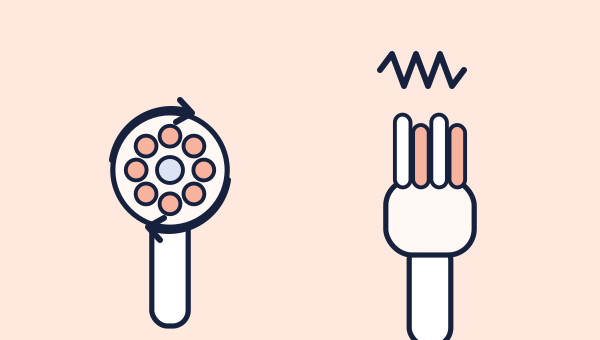 ExplainerSonic vs Oscillating Toothbrush: How the Heads DifferA round head that turns back and forth, or an oval head that vibrates. What each design does, how much trial evidence sits behind it, and why the choice matters less than the timer.
 ExplainerBest Budget Electric Toothbrush: What $16 to $50 BuysCheap electric brushes differ in one feature that matters — the pressure sensor. Five brushes under about $50, compared on their makers' own spec pages, plus the cheapest option of all.
 ExplainerElectric Toothbrush Heads: When to Swap, Generics, CostReplace the head every three to four months, sooner if the bristles splay. What a year of heads costs from published pack prices, and what you give up with generic heads.