Explainer · published specs and public guidance
Electric vs Manual Toothbrush: What the Trials Found
Powered brushes remove a little more plaque on average, and nobody knows yet whether that matters. Here is the Cochrane evidence, read carefully, and who gains most from switching.
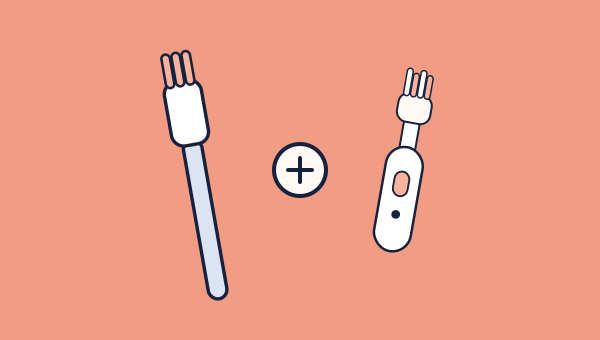
An electric toothbrush removes somewhat more plaque than a manual one on average, but a manual brush used properly is still effective, and for most people it is enough. That is the plain reading of the best evidence we have, the 2014 Cochrane review of powered versus manual brushing, and it is also what the American Dental Association and the NHS tell the public.
This matters to us because we earn money when people buy electric brushes. A site like this has every reason to tell you that you need one. You probably do not, and the manual brush we would point you to first pays us nothing at all.
Plaque
Gingivitis
The review's authors: the clinical importance of these findings remains unclear.
What the Cochrane review actually measured
The Cochrane review pooled randomised trials that compared at least four weeks of unsupervised powered brushing with manual brushing. It found 56 trials that met its criteria and combined 51 of them, with 4,624 participants, in its main analysis. Cochrane published it on 17 June 2014, with M. Yaacob, H. V. Worthington and S. A. Deacon among its authors.
The review measured two things: plaque, the soft film of bacteria on teeth, and gingivitis, the inflammation of the gums that plaque causes. Both were scored on clinical indices, which are ways of grading how much plaque or inflammation an examiner can see. It split results into the short term, one to three months, and the long term, anything beyond three months.
Those details matter because they tell you what the review did not report. Its results say nothing about cavities, fillings or lost teeth; everything that follows is about plaque and gum inflammation scores.
The numbers, and what they mean
Powered brushes reduced plaque by 11% more than manual brushes at one to three months and by 21% more beyond three months. For gingivitis, the reductions were 6% and 11% over the same two periods. The review's authors graded this evidence as moderate quality.
A 21% reduction sounds large. It is a relative figure on a plaque index, measured against people brushing with a manual brush in the same trials. It says that, on average, the powered-brush groups ended up with less visible plaque. It does not say that someone switching brushes will have 21% fewer problems, and the authors were careful on this point. Their conclusion reads: "Powered toothbrushes reduce plaque and gingivitis more than manual toothbrushing in the short and long term. The clinical importance of these findings remains unclear."
That last sentence is the one most toothbrush marketing leaves out. A difference on an index is a real finding. Whether it turns into fewer cavities or healthier gums over years is a question this review does not answer.
Why the maker claims look so much bigger
Toothbrush makers print far larger numbers than the review does, and the gap is not a contradiction so much as a difference in method. Oral-B says its Pro 1000 "removes 300% more plaque along the gum line than a regular manual toothbrush". Philips says its Sonicare 4100 "removes up to 7x more plaque". BURST says its Pro 2.0 removes "up to 10x more plaque", over 30 days of brushing in whitening mode, with its data "on file".
Each figure is the maker's own, measured on its own terms — a particular part of the mouth, a particular mode or a particular measure — and the studies behind them are not published on the product pages we read. None can be set against another. The Cochrane figure is lower partly because it pools many trials and averages across them, rather than reporting one measure. When you want to know what switching might do for you, the independent average is the better guide.
What the ADA and the NHS tell the public
Both organisations say the choice of brush matters less than how you use it. The ADA's page on toothbrushes says "both manual and powered toothbrushes are effective at removing plaque", and recommends brushing for two minutes twice a day with soft bristles. The NHS says it "doesn't matter whether you use an electric or manual toothbrush. They're both equally good, as long as you clean all the surfaces."
The NHS's other advice is worth more than any brush upgrade. Use a toothpaste with at least 1,350 parts per million of fluoride. Do not rinse your mouth straight after brushing, because rinsing washes away the concentrated fluoride. And clean between your teeth, with floss or interdental brushes, which the NHS says may reduce gum disease, tooth decay and bad breath.
Who gains most from going electric
Some people have a real reason to switch. The ADA names people with dexterity problems, such as older adults and people with disabilities, children, and anyone wearing braces or other appliances, as groups who "may find a powered toothbrush easier to use". If gripping and moving a brush for two full minutes is hard for you, a handle that does the moving is a genuine help.
The other group is people who know their habits are the weak link. If you brush for thirty seconds and call it done, or you scrub hard enough to fray a manual brush in a month, the timer and the pressure sensor on an electric brush are doing a job your habits are not. Those two features, rather than the motor, are what we look for first in the spec-sheet comparison of eight electric brushes.
Who can stay with a manual brush
If you already brush for two minutes, twice a day, with gentle pressure and fluoride toothpaste, and your dentist is happy with your gums, you have no health reason to change. The trial difference is an average across many people, and your own routine may already sit at the good end of it.
A manual brush also has practical strengths. It costs little, needs no charger, goes anywhere, and has no battery to fail. Replace it every three to four months, or sooner if the bristles splay, as the ADA advises, and choose soft bristles, which the ADA says minimise the risk of gum abrasion.
A fair way to decide
Ask yourself three questions. Do I brush for the full two minutes? Do I press gently? Do I reach every surface, including the backs of the lower front teeth and the last molars? If the honest answer to all three is yes, keep your manual brush and spend the money on floss or interdental brushes.
If one of the answers is no, an electric brush with a timer and a pressure sensor is a reasonable fix, and the cheapest rechargeable with a timer and pacer in our table was listed at $19.96 by its maker. If you then find that the type of motion matters to you, our explainer on sonic versus oscillating-rotating brushes walks through the difference and the evidence behind each.
And whichever brush you use, if your gums bleed, look swollen or feel sore, see a dentist. A new brush is not a treatment, and only a dentist who has examined you can say what is going on.
Electric or manual: common questions
Do dentists recommend electric toothbrushes?
Is an electric toothbrush worth the money?
Can a manual toothbrush clean as well as an electric one?
What matters more than the type of brush?
Choosing a brush? The spec-sheet comparison of eight electric toothbrushes sets timers, pressure sensors, charge life and price side by side, with the manual brush first.
Read next
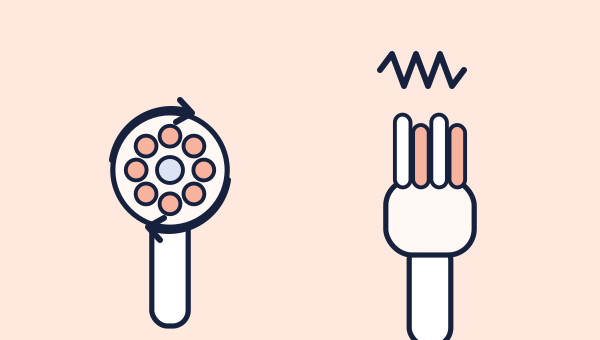 ExplainerSonic vs Oscillating Toothbrush: How the Heads DifferA round head that turns back and forth, or an oval head that vibrates. What each design does, how much trial evidence sits behind it, and why the choice matters less than the timer.