Explainer · published specs and public guidance
How to Use an Electric Toothbrush: Guide It, Don't Scrub
Hold it lightly, let the head do the moving, and spend 30 seconds on each quarter of your mouth. The technique, step by step, from the ADA and the two biggest brush makers' own instructions.
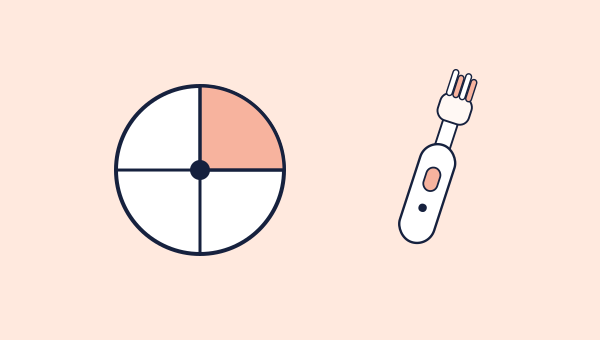
To use an electric toothbrush, hold it lightly, place the head against your teeth before switching it on, and guide it slowly along each tooth for two minutes — 30 seconds for each quarter of your mouth — without scrubbing. The brush does the moving; your job is to steer it to every surface and keep the pressure light.
That summary comes from three sources that agree: the American Dental Association's advice on brushing, and the instructions Oral-B and Philips publish for their own brushes. We have not filmed ourselves brushing or measured anything; this is the guidance, set out in order, with the points where a round head and an oval head are handled differently.
- Upper right 30 seconds
- Upper left 30 seconds
- Lower right 30 seconds
- Lower left 30 seconds
Before you start
Charge the brush and put fluoride toothpaste on the head. Oral-B's first step is simply to make sure the brush is charged before you begin. For adults, the NHS recommends a toothpaste with at least 1,350 parts per million of fluoride.
Then put the head against your teeth before you switch on. Oral-B says it is best to place the head against your teeth before turning the power on, which keeps the toothpaste from splattering across the mirror.
Hold it lightly and angle it to the gums
Grip the handle with your fingertips, not your fist. Philips's guide for its sonic brushes recommends "a light fingertip grip", because it "will help eliminate the impulse to scrub or apply too much pressure".
Angle the bristles toward the gumline. Philips tells users to "gently glide" the brush along the gumline at a 45-degree angle, and Oral-B says to direct the head "along the gum line and upon the gums", again without pressing hard.
Move slowly — the brush does the brushing
Move the head slowly and let it work, instead of sweeping it back and forth as you would with a manual brush. Oral-B's instruction for its round heads is to "guide the brush head slowly from tooth to tooth, holding the brush head in place for a few seconds against each tooth", adding that "it isn't necessary to press hard or scrub".
For sonic brushes with an oval head, Philips describes a slow glide along the teeth. Behind the front teeth, it suggests tilting the handle semi-upright and making several vertical, overlapping strokes on each tooth. On the chewing surfaces, keep the same gentle gliding movement.
Work round the mouth in quarters
Divide your mouth into four quarters — upper right, upper left, lower right, lower left — and give each 30 seconds. Four quarters of 30 seconds make the two minutes the ADA recommends, twice a day.
Many electric brushes signal each quarter for you. Philips's guide says the brush "will vibrate when it's time to move to the next segment", and Oral-B describes the same 30-second rhythm for its handles. In our electric toothbrush spec-sheet comparison, the pacer is one of the three features we look for first for exactly this reason.
Within each quarter, cover the outer surfaces, the inner surfaces and the chewing surfaces. Oral-B lists them in that order, then the area behind the last teeth. The inner surfaces of the lower front teeth and the backs of the last molars are easy to skip, so give them a deliberate pass.
The tongue and the roof of the mouth
After the teeth, you can brush the tongue gently. Oral-B suggests "grazing the brush head along your tongue and the roof of your mouth, back to front". Some brushes have a tongue mode; a slow pass with the brush on a gentle setting works too.
This is optional. If it makes you gag, a gentler touch or skipping it is fine; the teeth and gumline come first.
After brushing: spit, don't rinse
Spit out the toothpaste, but do not rinse your mouth with water straight away. The NHS explains that rinsing "will wash away the concentrated fluoride", which is the part of toothpaste doing the protecting.
Rinse the brush head thoroughly after use, as Philips advises, and stand the brush upright to air-dry. The ADA advises storing toothbrushes upright and letting them dry in the air. Replace the head every three to four months, or sooner if the bristles fray.
Choosing a mode
Start on the everyday mode your brush comes with, and change only for a reason. Makers name their modes differently: Oral-B's Pro 1000 lists Daily Clean, Whitening and Sensitive; Hismile lists Gentle, Intense and Everyday; Waterpik's Sensonic brush lists clean, stain removal and gum care.
A sensitive or gentle mode runs more softly, which some people with tender gums prefer. The mode does not change the technique: the same light grip, the same slow glide and the same two minutes apply on every setting.
Common mistakes
These are the habits that undo a good brush:
- Scrubbing back and forth as if it were a manual brush. Both makers say not to; the head does the moving.
- Pressing hard. It splays the bristles and, as the ADA's advice on soft bristles reflects, gums can be worn by abrasion. A pressure sensor warns you; a fingertip grip helps too.
- Stopping when your mouth feels clean rather than at two minutes. Let the timer decide.
- Only brushing the outer surfaces. Inner and chewing surfaces need the same time.
- Rinsing straight after brushing, which washes away fluoride.
Clean between your teeth too
A brush of any kind does not reach fully between teeth. The NHS recommends cleaning between your teeth every day using floss or interdental brushes, and says regular flossing may reduce gum disease, tooth decay and bad breath.
If you find string floss awkward, some people combine a brush and a water flosser in one unit; our guide to electric toothbrush and water flosser combos covers what those units include and what they cost.
When to stop and see a dentist
If brushing makes your gums bleed, or they look red, swollen or sore, book a dentist; the NHS lists these as signs of gum disease. Very sore, swollen gums or a loose tooth need prompt attention from a dentist, or NHS 111 in the UK.
If your face swells, you have a fever with tooth or gum pain, or you have trouble swallowing or breathing, get urgent help straight away. No brushing technique fixes those.
How-to questions
How long should you use an electric toothbrush?
Should you move an electric toothbrush in circles?
Do you wet an electric toothbrush before putting toothpaste on?
Is it bad to press hard with an electric toothbrush?
Choosing a brush? The spec-sheet comparison of eight electric toothbrushes sets timers, pressure sensors, charge life and price side by side, with the manual brush first.
Read next
 ExplainerElectric Toothbrush for Receding Gums and Sensitive TeethNo brush treats receding gums. What a brush can do is stop you pressing too hard — soft bristles, a pressure sensor and a gentle mode. Which brushes list them, and why a dentist comes first.