Explainer · published specs and public guidance
Electric Toothbrush for Receding Gums and Sensitive Teeth
No brush treats receding gums. What a brush can do is stop you pressing too hard — soft bristles, a pressure sensor and a gentle mode. Which brushes list them, and why a dentist comes first.
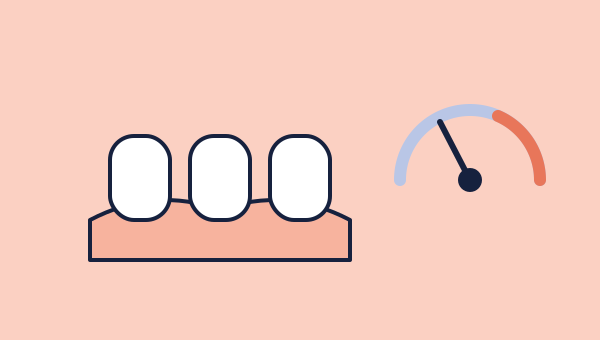
If your gums are receding or your teeth have become sensitive, see a dentist first: no toothbrush treats either, and only a dentist who has examined you can say why it is happening. What a brush can do is make gentle brushing easier — soft bristles, a pressure sensor that warns when you press too hard, and a gentle or sensitive mode.
This page lists which electric brushes state those features on their makers' own pages, read on 22 September 2026. We have not tested any brush on sensitive teeth or receding gums, and nothing here is a diagnosis or a treatment plan.
Why a dentist comes before the brush
Gums can pull back and teeth can turn sensitive for more than one reason, and some of those reasons need treatment that no brush provides. The NHS lists bleeding gums, and gums that become swollen, red and sore, as signs of gum disease, and advises seeing a dentist; it says very sore, swollen gums or loose teeth need prompt attention.
Buying a gentler brush can feel like doing something, and it may help your technique. But if it delays a visit, it can let a problem that a dentist would catch carry on unnoticed. Book the appointment, then choose the brush with the dentist's view in mind.
What a brush can change: pressure and bristles
The part of brushing a brush can influence is force. The ADA recommends soft bristles specifically because they "minimize the risk of gingival abrasion" — that is, of wearing the gums through brushing. A soft head and a light grip are the starting point for anyone whose gums are tender.
An electric brush adds two tools a manual brush lacks. A pressure sensor tells you, with a light, a sound or a change in the motor, when you are pressing too hard. And a gentle or sensitive mode runs the motor more softly. Neither is a treatment; both make a light touch easier to keep up every day.
Which brushes list a pressure sensor and a gentle mode
Four of the brushes we compared list a pressure sensor, and three list a gentle or sensitive mode by name. Only two list both: the Oral-B Pro 1000 and the Oral-B iO Series 2.
| Brush | Pressure sensor | Gentle or sensitive mode | Maker's price |
|---|---|---|---|
| Oral-B Pro 1000 | Yes — stops pulsations if you press too hard | Yes — Sensitive mode | $89.99 list for a twin pack |
| Oral-B iO Series 2 | Yes — automatic, two-colour | Yes — Sensitive and Super Sensitive | About $65 |
| Philips Sonicare 4100 | Yes — warns and reduces vibration | Not listed | $49.96 |
| BURST Pro 2.0 | Yes | Not listed by name | $120.99 |
| Hismile Electric Toothbrush | Not listed | Yes — Gentle mode | $59 |
| Philips Sonicare 1100 | Not listed | Not listed | $19.96 |
4 list a pressure sensor · 3 a gentle or sensitive mode · 2 both
Oral-B Pro 1000 and iO Series 2
The two Oral-B brushes are the only ones in our list whose pages name both a pressure sensor and a sensitive mode. The Pro 1000's sensor "stops pulsations if you brush too hard" and it has a Sensitive mode among its three; Oral-B's own comparison page lists the iO Series 2 with an automatic two-colour pressure sensor and both Sensitive and Super Sensitive modes, at about $65. See both on Amazonaffiliate.
Philips Sonicare 4100
The Sonicare 4100 lists a pressure sensor that "warns you, and reduces the toothbrush vibrations automatically", at $49.96 on Philips's store. Its page does not list a separate gentle mode. Arguably the sensor is the more useful of the two features, because it catches the habit rather than softening the motor. See the Sonicare 4100 on Amazonaffiliate.
The others
BURST lists a pressure sensor on its Pro 2.0 at $120.99, with five modes whose names we did not see on the page. Hismile lists a Gentle mode on its $59 brush, but no pressure sensor. The Sonicare 1100 lists neither, which makes it a poor fit if pressing too hard is your problem. Our full spec-sheet comparison sets all eight brushes side by side on every feature.
Choosing a softer head
The head matters as much as the handle. Whatever brush you choose, check that its heads are described as soft, which is what the ADA recommends to limit gum abrasion.
Some makers sell heads aimed at tender gums. Oral-B, for example, lists a Sensitive Gum Care head among the heads that fit its Pro 1000, alongside CrossAction, Precision Clean and others. We have not compared how soft each head is, and makers do not publish a common softness scale, so read the head's own description and ask your dentist or hygienist if you are unsure which suits you.
Why a timer still matters with tender gums
Gentle brushing is not the same as short brushing. The ADA's advice of two minutes, twice a day applies whether or not your gums are tender, and a 30-second pacer helps spread that time evenly instead of lingering on one sore spot and skipping another.
That is one more reason to look for the timer and the pacer as well as the pressure sensor. On the pages we read, the Oral-B Pro 1000 lists all three alongside a Sensitive mode.
How to brush when your gums are tender
Hold the handle with your fingertips, angle the bristles toward the gumline and glide slowly, letting the brush do the moving. Philips recommends "a light fingertip grip", and Oral-B says "it isn't necessary to press hard or scrub" with its brushes.
If your brush has a sensitive mode, you can start there. Use a toothpaste with fluoride — the NHS recommends at least 1,350 ppm for adults — and spit rather than rinse afterwards. If your dentist suggests a particular toothpaste for sensitivity, follow their advice over any general guide. Our step-by-step guide on using an electric toothbrush properly covers the rest of the technique.
Cleaning between teeth with tender gums
Cleaning between your teeth matters as much as the brush. The NHS recommends cleaning between your teeth every day with floss or interdental brushes, and lists it among the things you can do yourself alongside brushing twice a day.
If floss is uncomfortable, ask your dentist or hygienist which size of interdental brush suits your gaps. Some people use a water flosser; that is a separate device we do not cover here, except where it is built into a toothbrush.
Signs that need a dentist soon
See a dentist promptly if your gums bleed when you brush, look swollen, red or sore, or if a tooth feels loose. The NHS says very sore and swollen gums, loose teeth, mouth ulcers or lumps need you to contact a dentist, or NHS 111 in the UK, for advice.
Get urgent help straight away — emergency services or an urgent-care centre — if your face or neck swells, you have a fever with mouth pain, or you have any trouble swallowing or breathing. These are not brushing problems.
Receding gums and sensitive teeth: questions
Can an electric toothbrush reverse receding gums?
Is an electric toothbrush bad for receding gums?
What electric toothbrush setting is best for sensitive teeth?
Should I stop brushing if my gums bleed?
Choosing a brush? The spec-sheet comparison of eight electric toothbrushes sets timers, pressure sensors, charge life and price side by side, with the manual brush first.
Read next
 ExplainerElectric Toothbrush With Water Flosser: Combo UnitsTwo kinds of combo exist — one handle that brushes and flosses, or one base that runs a brush and a flosser side by side. What each includes, what it costs, and the cheap alternative.